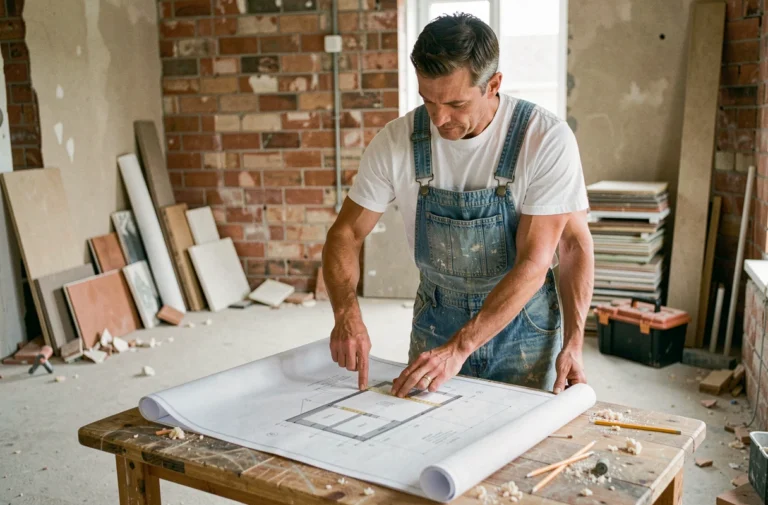
An engraved screwdriver with a name, a hammer handle adapted to the shape of the hand, a drill whose torque is adjustable via a mobile app according to the user’s profile: personalized tools for the home cover very different realities. What types of customization exist, and which ones provide measurable benefits beyond the decorative aspect?
Personalized tools for the home: three categories to distinguish
The customization of a household tool can be aesthetic, ergonomic, or software-based. These three approaches do not meet the same needs and do not involve the same manufacturing constraints.
| Type of customization | Concrete examples | Main benefit | Accessibility |
|---|---|---|---|
| Aesthetic (engraving, color) | Engraved handle, personalized toolbox, screwdriver with text | Quick identification, original gift | In-store (Leroy Merlin, Castorama, Brico Dépôt) or online |
| Ergonomic (custom shape) | 3D printed handles, adaptations for arthritis or weak grip | Comfort of use, accessibility | Fablabs, Repair Cafés, community workshops |
| Software (digital profile) | Torque limitation, overheating alerts, usage statistics via app | Safety and adaptation to the user’s level | Connected tools (e.g.: Bosch range with Bosch Toolbox app) |
This table summarizes the main categories. In practice, the same tool can combine two levels: a connected drill with an adapted handle, for example. To explore a catalog of tools intended for the home, you can visit the home page of IdentiTools and compare the available options.
Engraving and aesthetic customization: a market driven by DIY stores
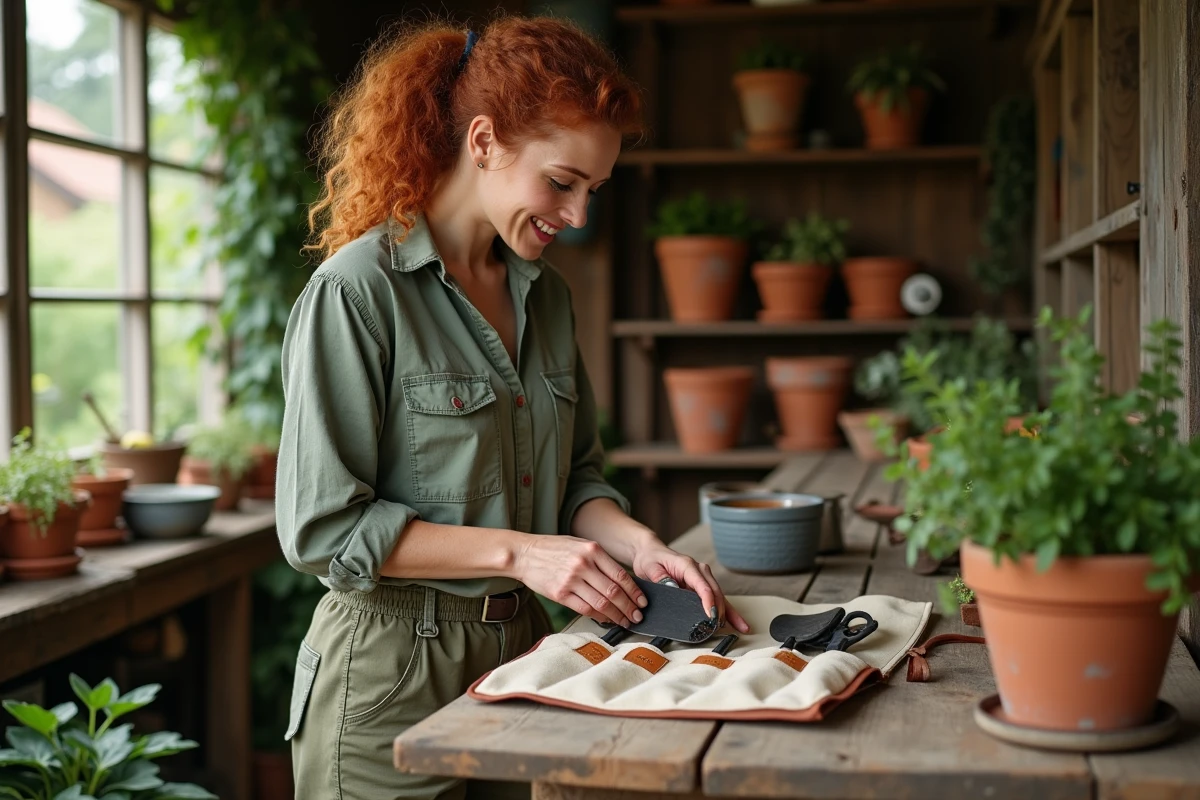
Since 2023, several major French retailers (Leroy Merlin, Castorama, Brico Dépôt) have been offering customization services directly in-store. Engraving on handles, choice of colors, addition of text: the personalized tool joins the decorative/utilitarian gift on the shelves.
The interest goes beyond a simple gadget. A tool marked with its owner’s name is less likely to be lost on a shared job site or in a family workshop. For professionals who lend equipment, engraving also serves as identification.
However, aesthetic customization does not alter performance or comfort of use. An engraved screwdriver remains the same screwdriver. The benefit lies in the attachment to the object and the perceived durability: one is less likely to throw away a tool that bears their name.
3D printed ergonomic handles: the customization that changes the grip
The most underestimated segment concerns custom 3D printed ergonomic accessories. Tailored to the size of the hand, for arthritis, or for weak grip, these handles transform a standard tool into an accessible tool.
Demand has been steadily increasing since 2022, driven by fablabs and community workshops like Repair Cafés. APF France handicap documented this trend in a summary published in 2023 on 3D printing applied to technical aids for daily life.
Which tools are best suited for 3D adaptation
Tools with simple handles are the first candidates:
- Screwdrivers and hand wrenches, whose standard cylindrical handle is poorly suited for people with reduced grip
- Light hammers, where the diameter and texture of the handle directly influence wrist fatigue
- Multipurpose utensils (brooms, scrapers), often overlooked even though they are used daily
The manufacturing cost of a custom handle in a fablab remains moderate compared to the comfort gain. An adapted handle reduces fatigue and joint pain during prolonged use, making it a functional customization and not just cosmetic.
Connected tools and personalized usage profiles: the role of applications
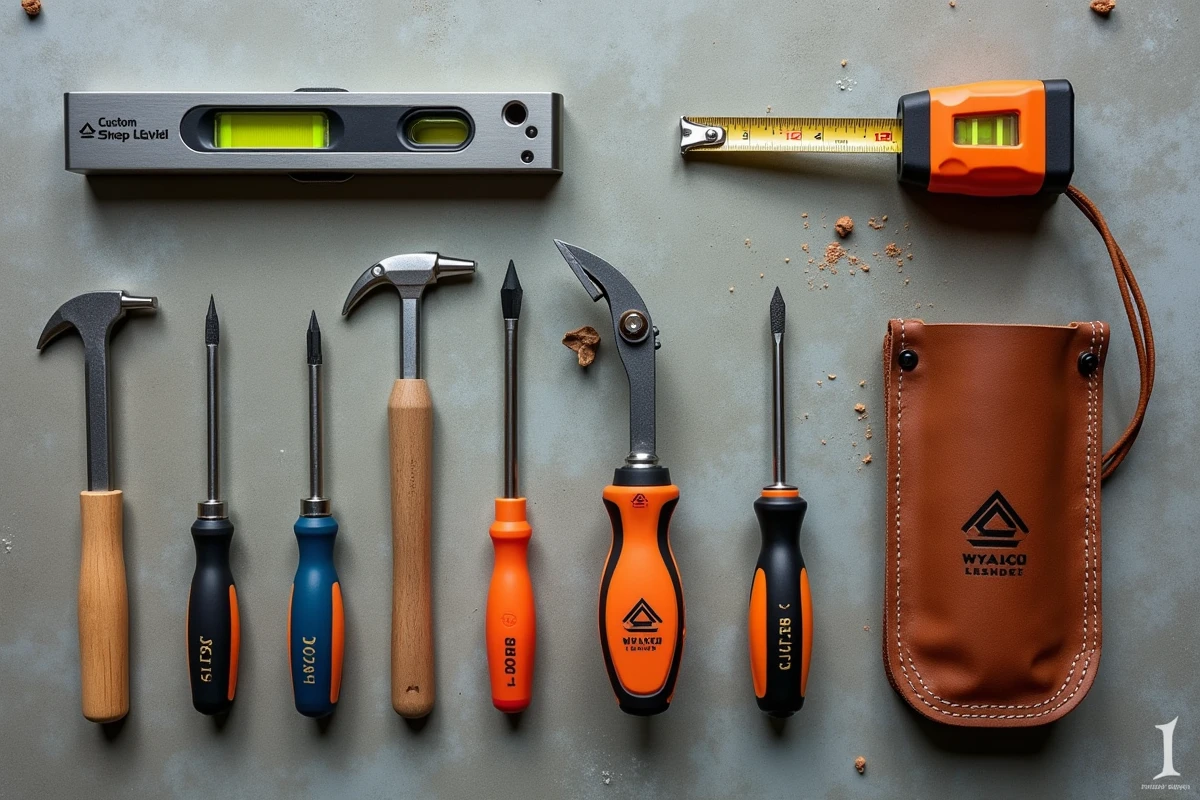
Manufacturers like Bosch offer mobile applications (Bosch Toolbox, update 2024) that allow users to create usage profiles tailored to each household member. A “beginner” profile limits the tightening torque and activates overheating alerts. A “child” profile restricts power even further.
This software layer transforms a standard tool into a personalized tool without modifying the hardware. Usage statistics also allow tracking wear and anticipating maintenance.
What software customization brings to home DIY
Adapting the tool’s behavior to the user’s level reduces the risk of breakage and accidents. For a household where multiple people share the same drill or screwdriver, personalized profiles replace a manual adjustment that most users forget.
The app also serves as an organizational tool: notes on ongoing projects, saved drilling plans, work history. This “DIY project management app” dimension meets planning needs covered by tools like Evernote for note-taking or interior design apps.
Aesthetic or functional customization: where to place your budget
The three categories do not address the same usage. Engraving is suitable for gifts and identification. 3D printing meets a real physical need. Software customization enhances safety and tracking.
- For an original gift, in-store engraving remains the most accessible and quickest option
- For someone suffering from musculoskeletal disorders, a 3D printed handle provides a concrete gain that engraving will never offer
- For a household with children using the tools, an adapted software profile constitutes a significant additional safety measure
The choice therefore depends on the problem to be solved. The current trend, driven by both DIY retailers and the fablab network, shows that the customization of tools for the home far exceeds simple decorative marking. Custom ergonomics and digital profiles represent the two axes where the practical benefit truly justifies the investment.