
The hair color you wear changes the perception of your face as much as good lighting. The complexion appears brighter or duller depending on whether the chosen shade resonates with or conflicts with your skin’s undertone. Before diving into a coloring, the question to settle is not “what color is trendy,” but what color your natural base can actually accommodate without compromising the health of the hair.
Natural Hair Base and Feasibility of Coloring
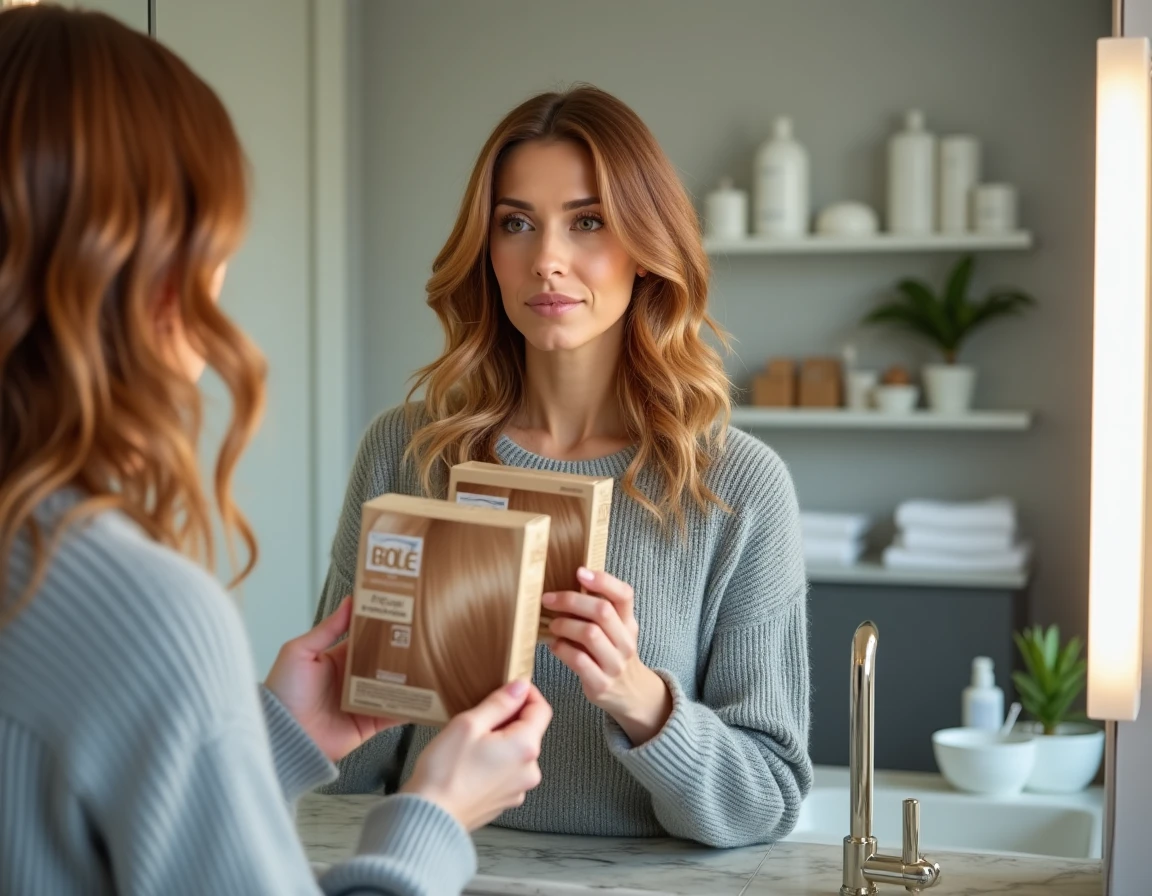
Most guides focus on skin tone and eye color. They rarely address a parameter that conditions everything else: the starting color of your hair limits realistic options. Transitioning from dark brown to platinum blonde requires several bleaching sessions, with a risk of breakage and dryness that many underestimate.
A dark base accommodates warm highlights (copper, mahogany, chocolate) well without aggressive bleaching. In contrast, achieving ash tones or cool blondes on brown hair requires a base correction that can turn yellow-orange if not properly balanced. If you want to choose the right hair color, this compatibility between the desired shade and your natural base should be the first filter, even before analyzing the complexion.
On light hair, the margin for maneuver is broader towards cool tones, golden blondes, and even light reds. A shift to deep brown, on the other hand, requires regular maintenance to avoid a greenish tint over time with shampoos.
Skin Undertone and Hair Color: Going Beyond the Seasonal Method
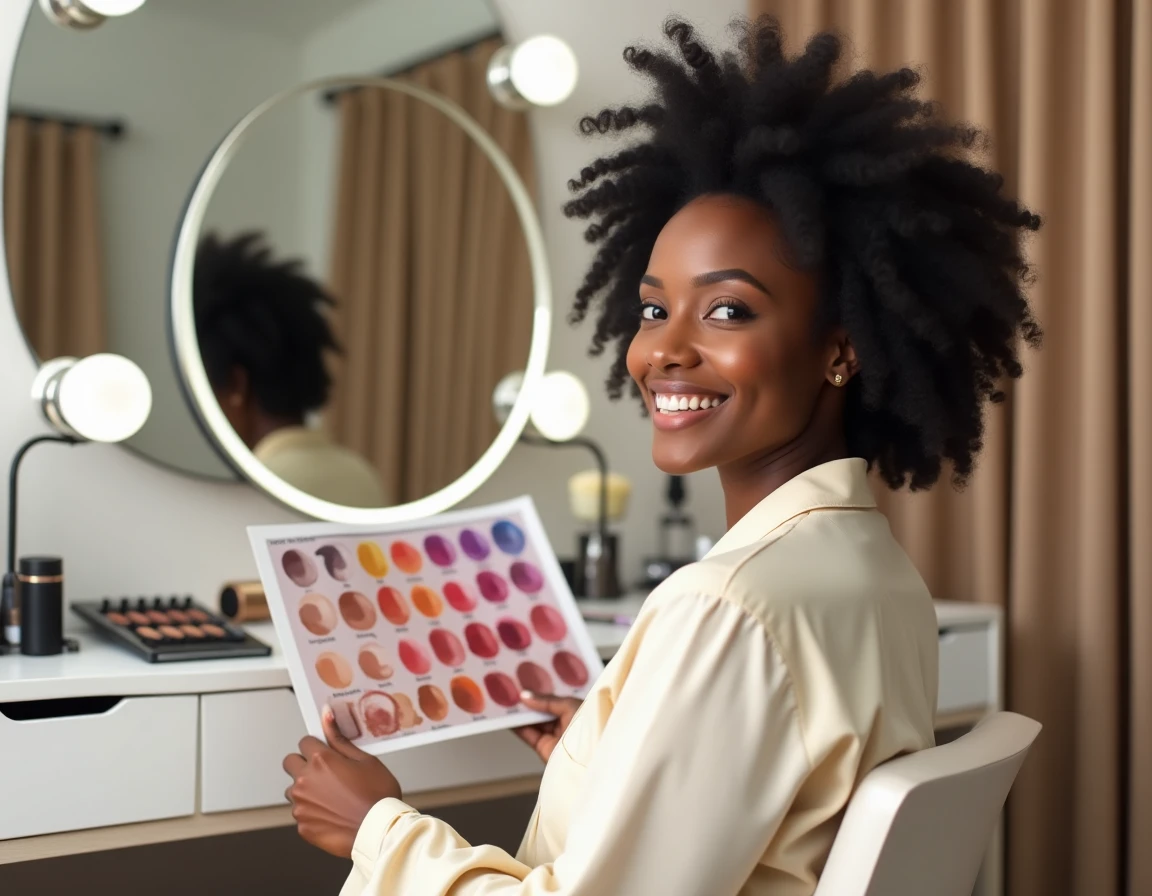
Seasonal colorimetry (spring, summer, autumn, winter) has long served as a unique framework. Recent professional recommendations move away from this, as this approach confines very different complexions into the same category. A person classified as “autumn” may have a neutral undertone that tolerates both cool and warm shades.
The skin undertone (warm, cool, or neutral) remains a useful reference, but it is not enough. The natural contrast between the skin, eyes, and hair weighs just as much in the final result. Light skin with very dark eyes creates a strong contrast: a hair color that is too soft can erase this relief. Conversely, a low natural contrast struggles with very saturated colors that unbalance the face.
How to Identify Your Undertone Without Mistakes
Look at the veins on your wrist in natural light. Bluish or purple veins indicate a cool undertone. Greenish veins signal a warm undertone. If you perceive a mix of both, your undertone is likely neutral, which opens up a wider range of shades.
- Cool undertone: ash colors, chocolate browns without golden highlights, and platinum or champagne blondes enhance the complexion without reddening it.
- Warm undertone: golden, coppery, caramel shades, and vibrant reds create a natural harmony with the skin.
- Neutral undertone: most shades work, but medium tones (hazelnut brown, honey blonde, soft auburn) often provide the most balanced result.
Gray Hair Coverage and Shade Choice
The percentage of white hair significantly alters the appearance of a color. Gray hair absorbs pigments differently: it tends to hold cool highlights more intensely and reject certain warm shades, which can then appear dull or orange.
When white hair is minimal, a tone-on-tone or semi-permanent color is often enough to blend it in. Beyond a significant proportion, a permanent color with suitable coverage becomes necessary. Field reports vary on this point: some plant-based shades claim total coverage, but results vary widely depending on hair texture and fiber porosity.
Maintenance and Durability: A Criterion That Complexion Doesn’t Indicate
A shade perfectly matched to your complexion can become a poor choice if you cannot maintain its brilliance. Colors with a strong contrast to the natural base require frequent touch-ups, often every three to four weeks, compared to six to eight weeks for a shade close to your original color.
Very light tones (polar blonde, ash blonde) yellow under the effects of limestone, sun, and certain treatments. They require regular purple shampoo and repigmenting treatments. Deep browns, on the other hand, lose their depth and can sometimes turn reddish after several shampoos.
Some Guidelines to Anticipate Maintenance
- A difference of more than two shades from your natural color multiplies the frequency of root touch-ups.
- Semi-permanent colors fade gradually and avoid a stark demarcation at regrowth, which suits those who space out their salon visits.
- Highlights and balayages require less maintenance than a uniform color, as the regrowth blends into the play of shades.
The choice of a hair color depends as much on what your hair base can support as on what your complexion enhances. Starting from technical feasibility before reasoning in color harmony avoids disappointments and costly corrective sessions. Your colorist remains the best person to assess the porosity of your fiber and adjust the formulation accordingly.