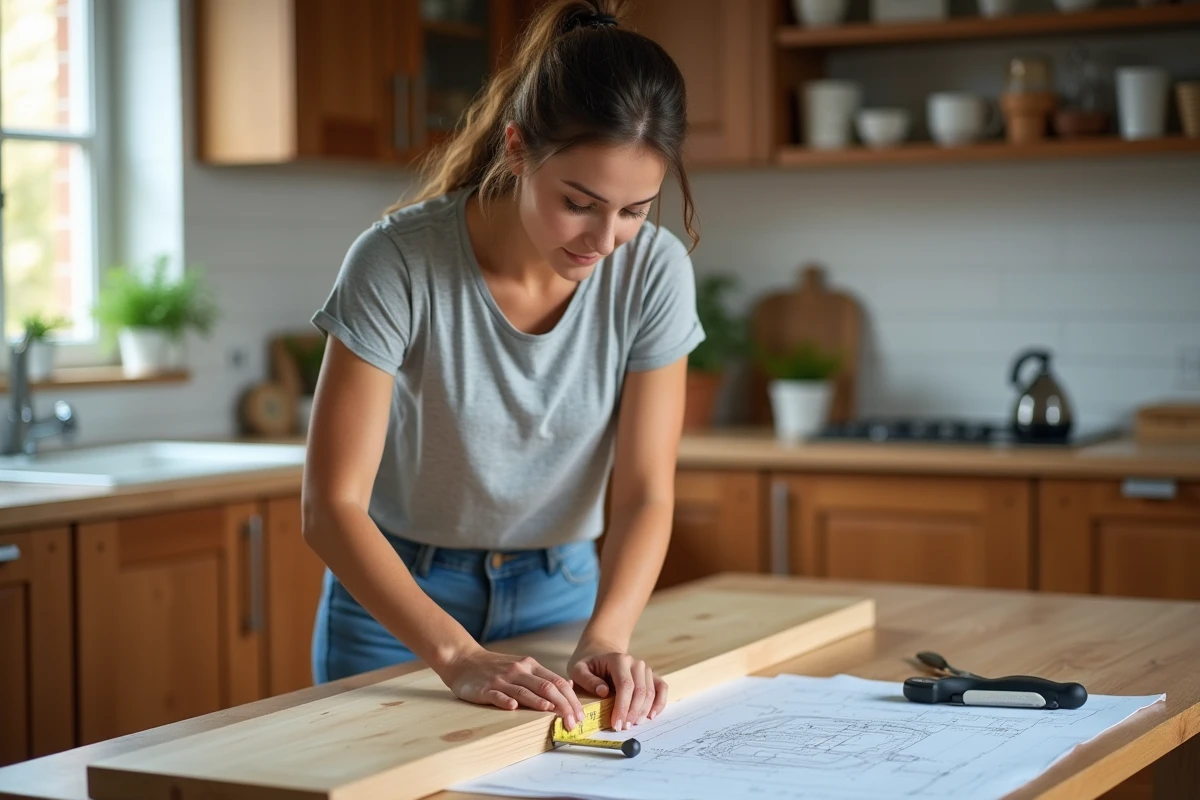
A project carried out without precise planning triples the risk of costly errors. Cutting-edge tools offer no advantage if the working method neglects preparation or regular maintenance. Only 15% of people manage to complete their work on time, often thanks to a few simple and little-known strategies.
Some actions consistently fall by the wayside, even among the most seasoned. Yet, adjusting your organization, better managing your time, and carefully selecting your materials can change the game, leading to a smoother experience and much more satisfying results.
Essential Basics for Getting Started with DIY at Home
To tackle a DIY project under good conditions, the method makes all the difference. There’s no need to pile up dozens of tools: it’s better to focus on a few reliable ones suited to what you want to achieve. Hammer, screwdriver, level, saw: with this quartet, most initial projects are within reach. Also prioritize reliable materials. A durable result depends on thoughtful choices from the start. DIY enthusiasts often opt for wood: it adapts to many uses and allows for creativity.
Preparing the workspace is the first concrete step. Measure, mark, clear your action area. An organized space means fewer risks and much more ease in your movements. On Univers du Bricolage, it is recommended to detail each phase of the project, from cutting to installation, to anticipate what you will need, both in tools and assistance.
Whether it’s applying paint, sawing boards, or assembling furniture, everything requires patience and precision. Respect drying times, use necessary protections, and check stability at each step to avoid unpleasant surprises.
Here are the reflexes to integrate before getting started:
- Take the time to check the condition of your tools before each use.
- Select materials based on the environment (indoor, outdoor, humidity, etc.).
- Proceed step by step, without rushing: logical order prevents many backtracks.
If renovation or decoration projects succeed, it’s neither a matter of chance nor simply experience. Success is built on solid organization and precise actions from the very first minute.
What Pitfalls to Avoid for a Smooth Progress in Your Projects?
Improvisation undermines any DIY project. Without planning, the site quickly goes off track. Anticipation, on the contrary, allows you to structure each action and channel your energy. Start by breaking the project into phases, and assess the time needed for each one. The budget should follow the same logic: allow a little margin for unforeseen events, whether it’s a tool to replace, unsuitable screws, or an extra can of paint.
How many DIY projects have been halted due to haste? A rushed preparation opens the door to errors. Take the time to inspect each surface to be worked on, check the condition of your tools. Safety is non-negotiable: goggles, gloves, masks as needed, everything must be ready. An incident, burn, cut, or contact with an irritating product can ruin hours of work.
The finishes often concentrate the most regrettable mistakes. Neglected waterproofing, paint applied too quickly, approximate fixing: these small failures are noticeable and spoil the whole. Regularly cleaning the site limits accidents and ensures quality over time.
To stay on track, here’s what to anticipate:
- Establish a precise schedule, detailing each phase of the project.
- Inspect each tool, ensuring it is suitable for the intended task.
- Pay attention to the finishes: they change the overall perception of the project.
Concrete Tips for Gaining Efficiency and Enjoyment in Daily Life
DIY, far from being reserved for a few insiders, progresses through tips and tricks gathered, adapted, and passed on. No one is born an expert: the skill refines over time through trials, failures, and successes. Identifying effective solutions saves time and spares you many unnecessary hassles.
- Always think to organize your space before starting. Gather tools and materials within reach, limit back and forth. A clean workspace, an uncluttered area, allows for seamless operations without distraction.
- To improve your technique, rely on recognized tutorials. A gesture, an order of operations, everything can be perfected. Each project builds confidence and refines the method.
- Make DIY a family affair. Invite children to observe, participate, and handle materials. The taste for DIY is forged in exchange and the pride of seeing an object take shape together.
Whether it’s renovating a piece of furniture, installing a shelf, or painting without leaving traces, consistency in action always pays off. Take breaks, pace your energy, celebrate each progress. DIY is as much about the pleasure of the journey as it is about the completed project.
Draw from multiple sources of inspiration, discover new project notebooks, and discuss with other enthusiasts. Advice abounds: you just need to seize it, adapt it, and sometimes reinvent it to transform your daily life as an aspiring DIYer.