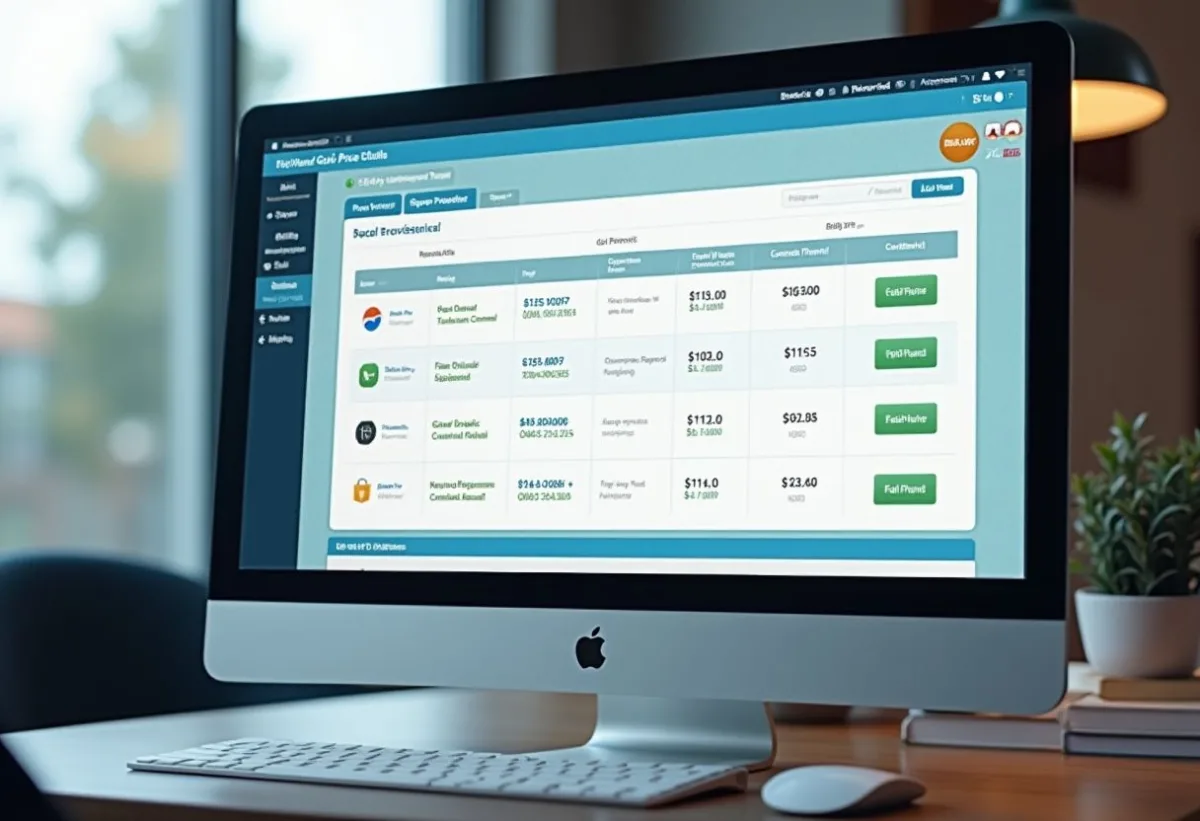
In an energy context where costs continue to rise, every consumer seeks to optimize their expenses. Gas, a widely used energy source, represents a significant portion of these expenses. Households and businesses are turning to gas comparators to make an informed choice. A gas comparator is a valuable and accessible tool. It allows users to navigate the complex world of gas offers. The goal: to find the best offer suited to their needs and achieve substantial savings.
Why use a gas comparator?
It is wise to ask why a tool like a gas comparator can be beneficial. Far from being a mere gadget, it offers numerous advantages both financially and practically.
Firstly, gas prices vary greatly depending on suppliers and contract specifics. By using a gas comparator, the user quickly gains an overview of the available offers. This saves long hours of research and manual comparisons. Next, the transparency provided by the comparator allows users to clearly see the rates, conditions, and any promotions from each supplier. This level of detail facilitates an objective and informed comparison. Furthermore, beyond substantial financial savings, the gas comparator encourages suppliers to compete with attractive offers. This fosters healthy competition that benefits consumers.
How does a gas comparator work?
To understand the value of a gas comparator, it is essential to know how it works. This process, although complex in appearance, is made simple for the end user.
- Data collection: the gas comparator regularly collects and updates information provided by various gas suppliers. This includes prices, service conditions, promotions, and customer reviews.
- Personalization of results: the user enters their consumption criteria, postal code, and preferences. The comparator uses this data to filter relevant offers.
- Comparison and selection: a list of suitable options is presented. The user can then easily compare the offers, visualize potential savings, and make an informed decision.
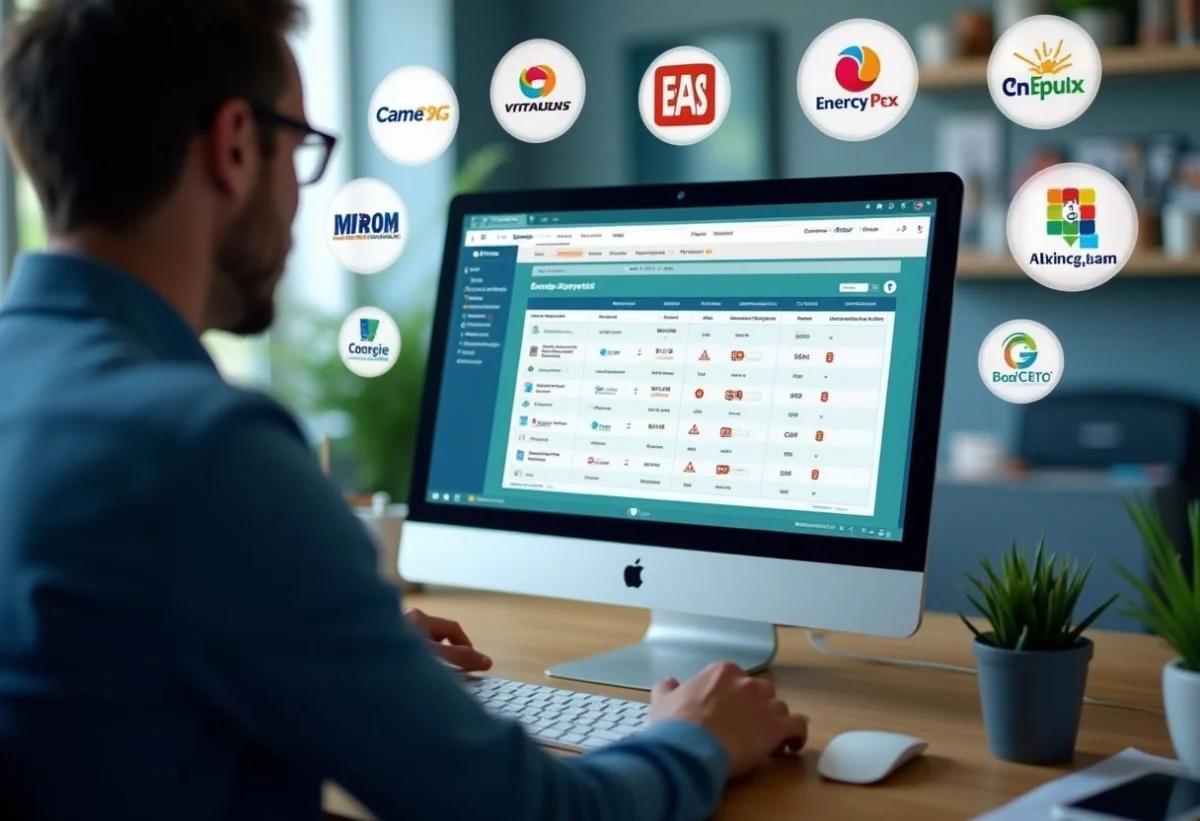
Criteria to consider when using a gas comparator
Choosing a gas supplier is not just about finding the lowest price. To benefit from the ideal offer, several criteria must be taken into account when using a gas comparator.
- Pricing: analyze not only the price per kWh but also the monthly subscription fees. Some offers may seem economical at first glance but hide high fixed costs.
- Contractual conditions: pay attention to the duration of contracts, penalties for early termination, and specific clauses.
- Customer service: good customer service can make a difference in case of problems. Consulting user reviews and ratings is wise.
- Green options: for consumers concerned about their ecological footprint, it is relevant to check if the supplier offers green gas options.
Pitfalls to avoid when using a gas comparator
It is essential to keep in mind certain common pitfalls when using a gas comparator. Avoiding these pitfalls ensures a positive experience and appropriate choices.
Firstly, beware of offers that seem too good to be true. Behind very low rates, there may be binding clauses or price increases after a few months. Secondly, some comparators do not reference all suppliers in the market. It is crucial to verify the completeness of the data presented. Finally, free comparators often fund themselves through partnerships with certain suppliers. This could influence the displayed results. Maintaining a critical eye on the recommendations provided is essential for making informed decisions.
In a world where managing energy expenses becomes essential, using a tool like a gas comparator proves to be an indispensable ally. It offers consumers an effective way to navigate the world of gas offers and find the one that best fits their needs. Adopting an informed and methodical approach using these tools not only allows for substantial savings but also encourages healthy competition among suppliers. A dual benefit for both the wallet and the overall ecosystem of the energy market.