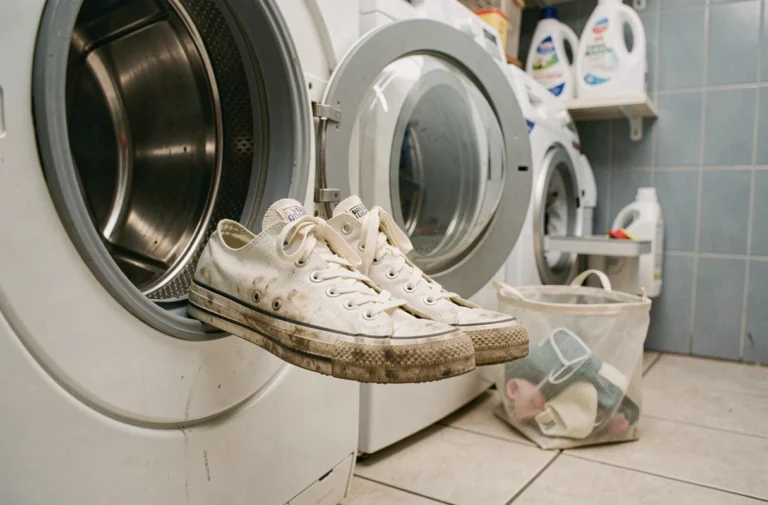
We get home from work, have an hour to spare, and end up scrolling aimlessly. The problem isn’t a lack of time; it’s not having an activity that feels manageable when we’re tired. Choosing enriching hobbies for everyday life starts with a simple assessment: what’s missing from your day, not what’s trending on social media.
Time and energy constraints: the real filter for choosing a hobby
Before making a list of activities, it helps to consider two practical factors. The first is the time available. Half an hour three evenings a week doesn’t allow for the same activities as two hours on Saturday morning. The second is how much energy you have left at the end of the day. A physically demanding job calls for a relaxing hobby, and vice versa.
This filter quickly rules out ideas that sound good in theory. Signing up for a group pottery class at 8 p.m. when you can barely stay on your feet is a recipe for giving up. It’s better to choose an activity that fits your actual routine, even if it seems less exciting.
To explore ideas organized by type and format, Opus Media’s hobbies section is a useful starting point if you’re not sure what direction to take.
One often-overlooked factor is logistics. A hobby that involves a 30-minute round trip loses half its appeal. Choosing an activity you can do at home or within a 10-minute journey can make a dramatic difference to how consistently you stick with it.

Physical, creative or intellectual hobbies: how to choose based on your needs
The distinction between physical, creative and intellectual activities isn’t just a theoretical classification. Each offers a different kind of recovery that the body and mind may need at different times.
Physical activity that fits into everyday life
A review published in 2024 in Sports Medicine – Open links cycling, running and swimming to a lower risk of all-cause mortality, with benefits for body composition and cardiorespiratory fitness. The findings vary by sport: the results for swimming can’t be applied to hiking without qualification.
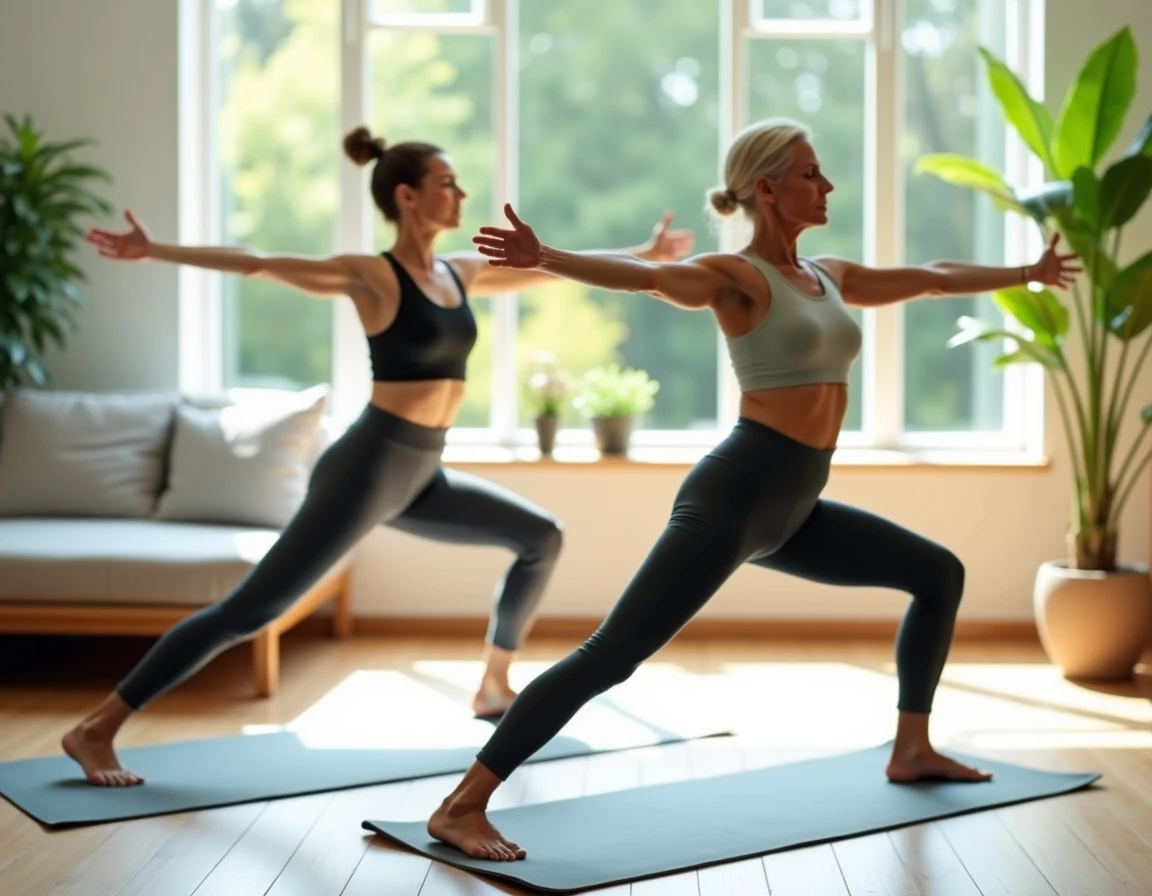
What matters in everyday life is consistency. Thirty minutes of brisk walking three times a week is more beneficial than an intense workout routine abandoned after three weeks. Choose an activity you can keep up in November, not one that excites you in September.
Creative hobbies: the benefits of making something
Drawing, writing, cooking a new dish, assembling a piece of furniture: these activities share a common thread. You start with an idea and end up with something tangible. This process can help reduce stress by actively engaging your attention, unlike passively consuming content on a screen.
The barrier to entry makes a difference. Drawing requires a sketchbook and a pencil. Sewing requires a machine, fabric and a dedicated space. Starting with the creative hobby that costs the least to try lets you see if you enjoy it before investing in equipment.
Intellectual stimulation: reading, languages and strategy games
Reading remains the most accessible intellectual hobby. No equipment, no travel, and easy to fit into 15-minute slots. Strategy games (chess, go and modern board games) add a social element when played at a club or online.
Learning a foreign language combines cognitive stimulation with practical value, but the regular workload is often underestimated. This hobby suits people who enjoy short daily routines rather than long, widely spaced sessions.
Try a hobby without committing: a practical three-step approach
You don’t have to “find your passion” on the first try. Most people who have stuck with an activity for years discovered it by chance or after several failed attempts. Here’s a method to reduce the risk of giving up too soon.
- Week 1: choose two activities from the three categories (physical, creative and intellectual) and try each just once, without buying expensive equipment. A trial class, a tutorial video or a library book is enough.
- Weeks 2 to 4: stick with the one that made you want to come back to it naturally. The measure of success isn’t performance; it’s wanting to do it again without having to force yourself.
- Month 2: if you stick with the activity, invest in basic equipment or sign up for a class. Not before.
This approach helps you avoid two common pitfalls: buying all the equipment before you’ve tried the activity, and signing up for a year out of guilt.
Digital hobbies and cultural outings: two complementary formats
According to a 2024 publication by the Ministry of Culture, nearly three in ten people say they go on fewer cultural outings than before the pandemic and watch more online content. The two formats can coexist without replacing one another.
An online drawing class at 9 p.m. and a museum visit on Sunday don’t serve the same purpose. The first fits into a busy routine. The second breaks up the week and adds a sensory dimension that a screen can’t replicate.
Alternating a digital hobby during the week with an outing at the weekend is a realistic routine for most schedules. The mistake would be to consider one better than the other: each meets a different need.
Mental health and nature-based hobbies: what recent research says
Nature-based activities (forest walks, gardening and organized outdoor activities) have shown positive effects on stress and mood in several recent studies. These range from “green prescriptions” supported by a healthcare professional to independent activities.
The benefits depend on the context: access to green space, the season and whether you take part alone or in a group all shape the experience. There are no guaranteed results for everyone, but for people who spend most of the week indoors, adding an outdoor hobby creates a measurable physiological contrast.
Choosing an enriching hobby doesn’t depend on a sudden revelation or a personality test. It comes down to gradually finding the right balance between what you want to do, the time you have and the energy you have left. The best hobby is the one you’re still doing six months from now.